


Trade Show Display Planning for 2026: What to Decide First
December 25th 2025
Planning a trade show presence in 2026 looks very different than it did just a few years ago. Budgets are tighter, lead times matter more, and exhibitors are under pressure to generate real ROI from every event.
Yet one mistake still happens over and over again: companies rush into ordering displays before fully thinking through their goals, usage plans, and logistics.
Before choosing booth sizes, display types, or graphics, here are the key decisions exhibitors should make to avoid costly mistakes and build a display strategy that actually works.
Why Trade Show Display Planning Matters More in 2026?
Trade shows are no longer about simply showing up. In 2026, exhibitors are expected to stand out, engage visitors, and convert conversations into measurable leads.
At the same time, shipping costs remain unpredictable, production timelines are tighter, and reusability has become a priority rather than a bonus.
This makes display planning just as important as display design. A well-planned display system can support multiple shows, adapt to different booth sizes, and reduce long-term costs.
1. Define Your Show Goals Before Choosing a Display?

One of the most common mistakes exhibitors make is starting with booth size or product type instead of clarifying objectives.
Ask yourself:
- Is this show focused on brand awareness or lead generation?
- Are you launching a product or supporting an existing sales pipeline?
- Do you need high visual impact or fast setup and teardown?
Brand-driven goals often benefit from backlit lightbox displays or seamless fabric graphics that attract attention from a distance. Lead-focused booths typically require clear messaging zones and layouts that support conversations.
2. How Often Will You Use This Display?
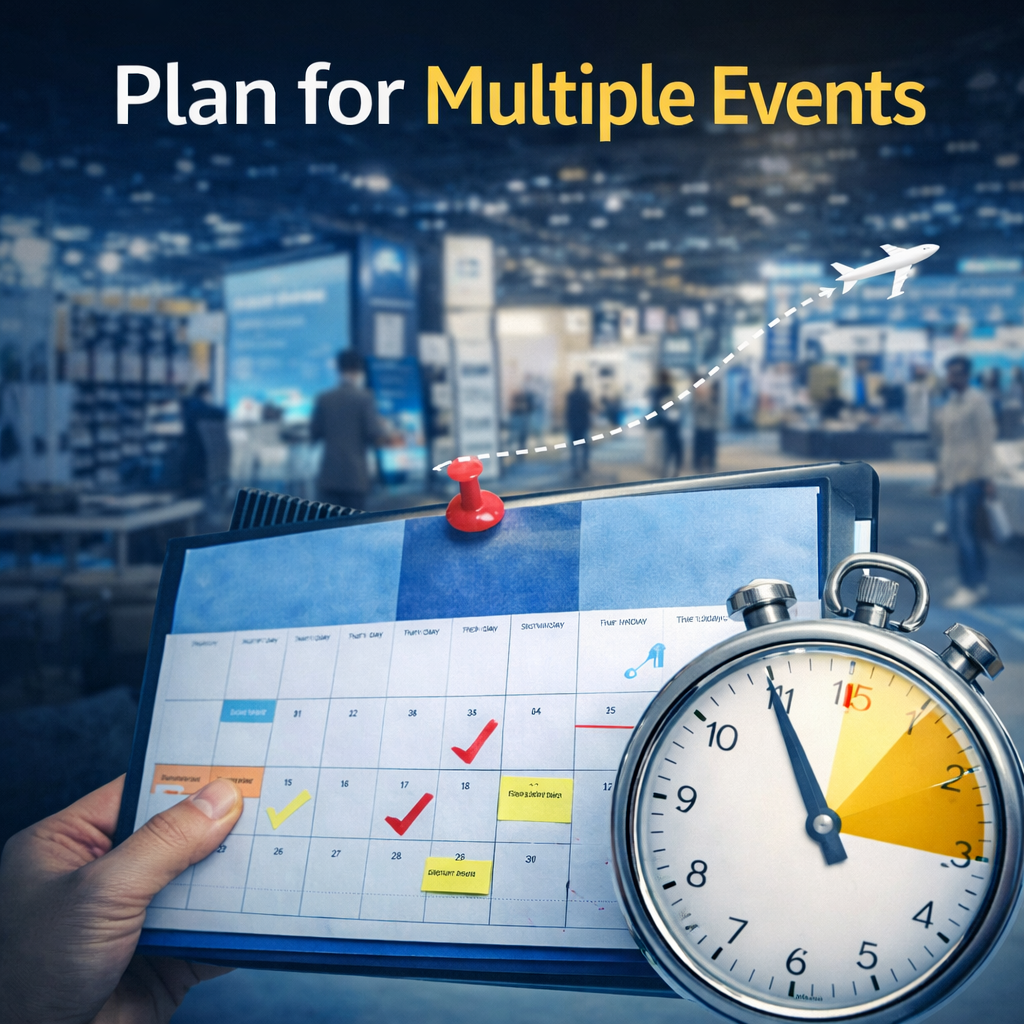
Not all trade show displays should be treated as one-time purchases. Many exhibitors in 2026 attend multiple events throughout the year.
If your display will be reused across different shows or booth sizes, modular systems and SEG fabric displays provide flexibility without requiring a full rebuild each time.
For occasional events or pop-up activations, portable displays and quick-setup systems may be more practical and cost-effective.
In practice, exhibitors who attend multiple shows often reduce costs by reusing the same display system across different booth sizes and venues.
3. Lead Time, Shipping, and Setup Reality?

Logistics play a much larger role in trade show success than many exhibitors expect. Before ordering any display, consider how soon your event is, where it is located, and who will handle setup on-site.
Some display systems require longer production and shipping windows, especially when lighting or custom structures are involved. Others are designed for faster production, compact shipping, and tool-free assembly.
For many teams, lead time becomes the deciding factor that determines whether a display option is realistic or risky for a specific event schedule.
4. Where to Spend and Where to Save?
Not every part of your booth requires the same level of investment. Smart exhibitors prioritize spending on high-visibility elements that will be reused and deliver long-term value.
Costs can often be controlled by reusing graphics, choosing modular components, and avoiding over-customization for single-use events. The goal is balance, not excess.
5. Common Trade Show Display Planning Mistakes to Avoid?
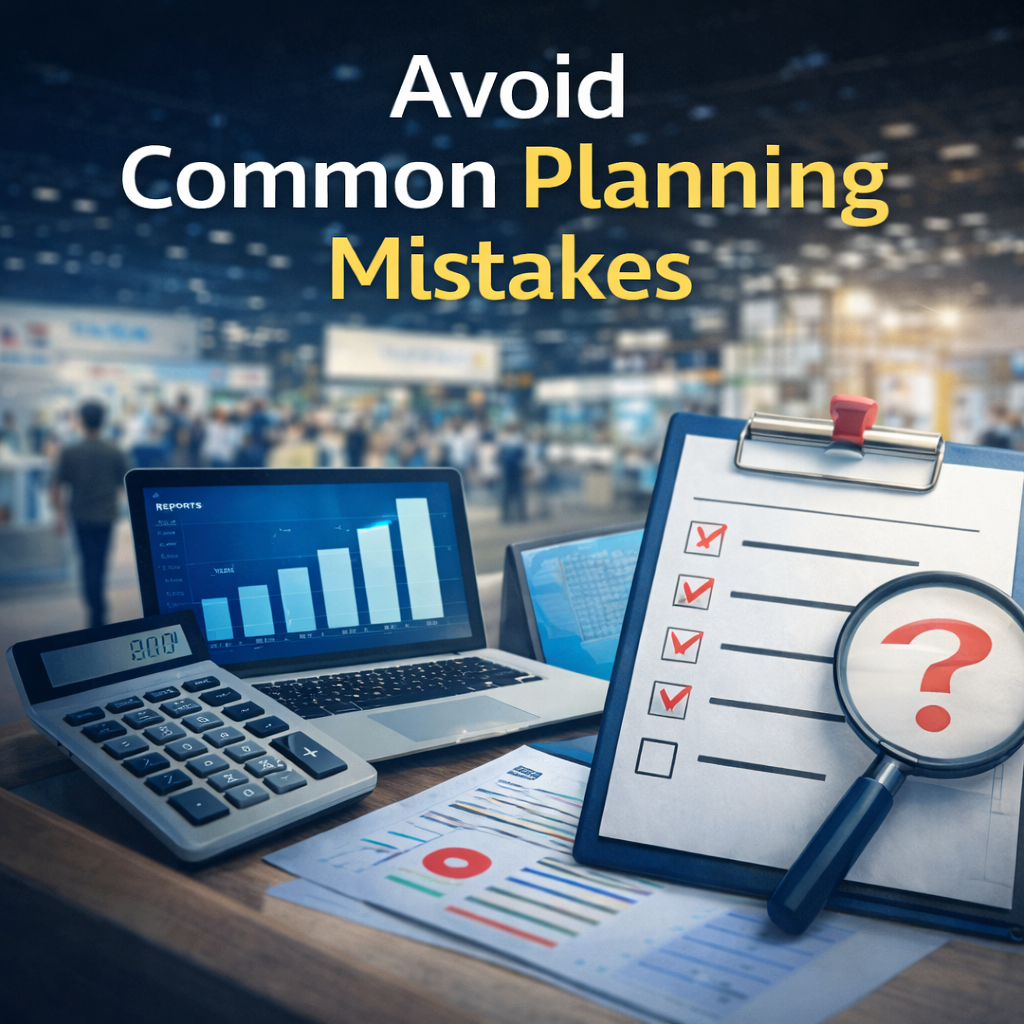
- Ordering displays before confirming booth requirements
- Underestimating lead times and shipping logistics
- Choosing systems that cannot be reused or reconfigured
- Focusing only on appearance while ignoring setup practicality
6.Building a Display Strategy That Grows With Your Brand?
The most successful exhibitors think beyond a single event. They build display systems that scale, adapt, and evolve with their marketing needs.
Flexible display solutions allow brands to respond to new opportunities, expand into larger spaces, and maintain consistent branding across events.
Final Thoughts
Trade show displays are an investment, not just a purchase. Taking the time to plan before ordering helps control costs, reduce risk, and ensure your booth performs across multiple events.
If you are preparing for trade shows in 2026 and would like expert guidance, our experienced design team is here to help. We work closely with you to understand your goals, space, timeline, and budget, creating custom display solutions tailored to your specific event needs.
Contact our display specialists to discuss your project and explore a display solution designed to help your brand stand out with confidence.